
ICT
Department Staff
Mrs C Grafton (Head of Department)
Mr C Rice
Miss A Trainor
Miss S Dow
Mr D Lennox
Our department aim
ICT skills are an essential skill for life. No matter what job you find yourself in it is highly likely that you will use ICT in some way.
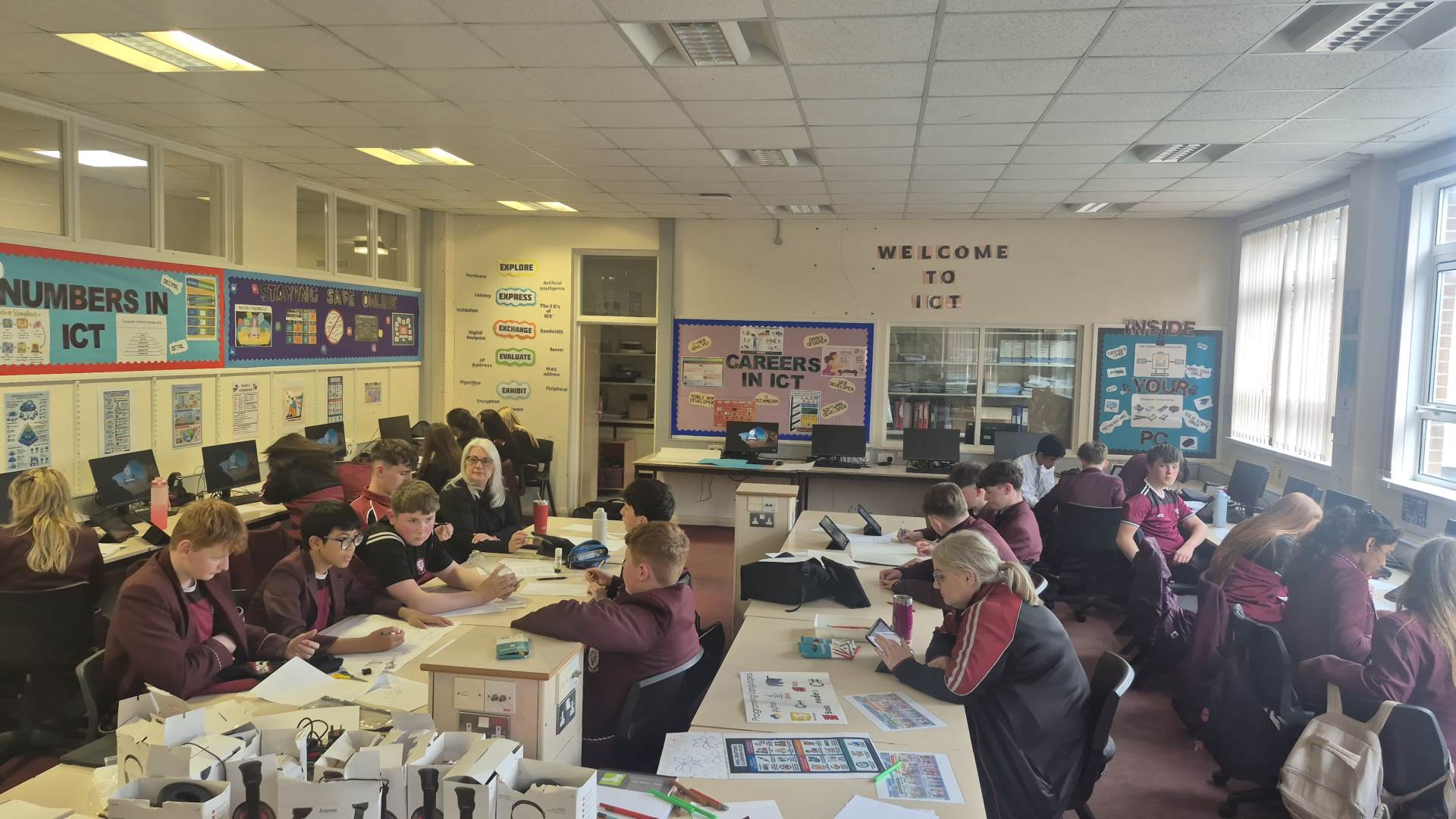
The ICT Department in St Colman’s are committed to ensuring that all pupils are equipped with these skills, whilst developing their confidence and providing fun and interactive methods of developing these skills. We use up-to-date teaching methods and resources via iPad technology to engage pupils. We encourage pupils to develop their ICT skills at home as well as in class by providing access learning material via Google Classroom which can be accessed using a home PC or on the pupils’ iPad.
We expect every pupil to ensure they bring their iPad to class and ensure that it is fully charged.
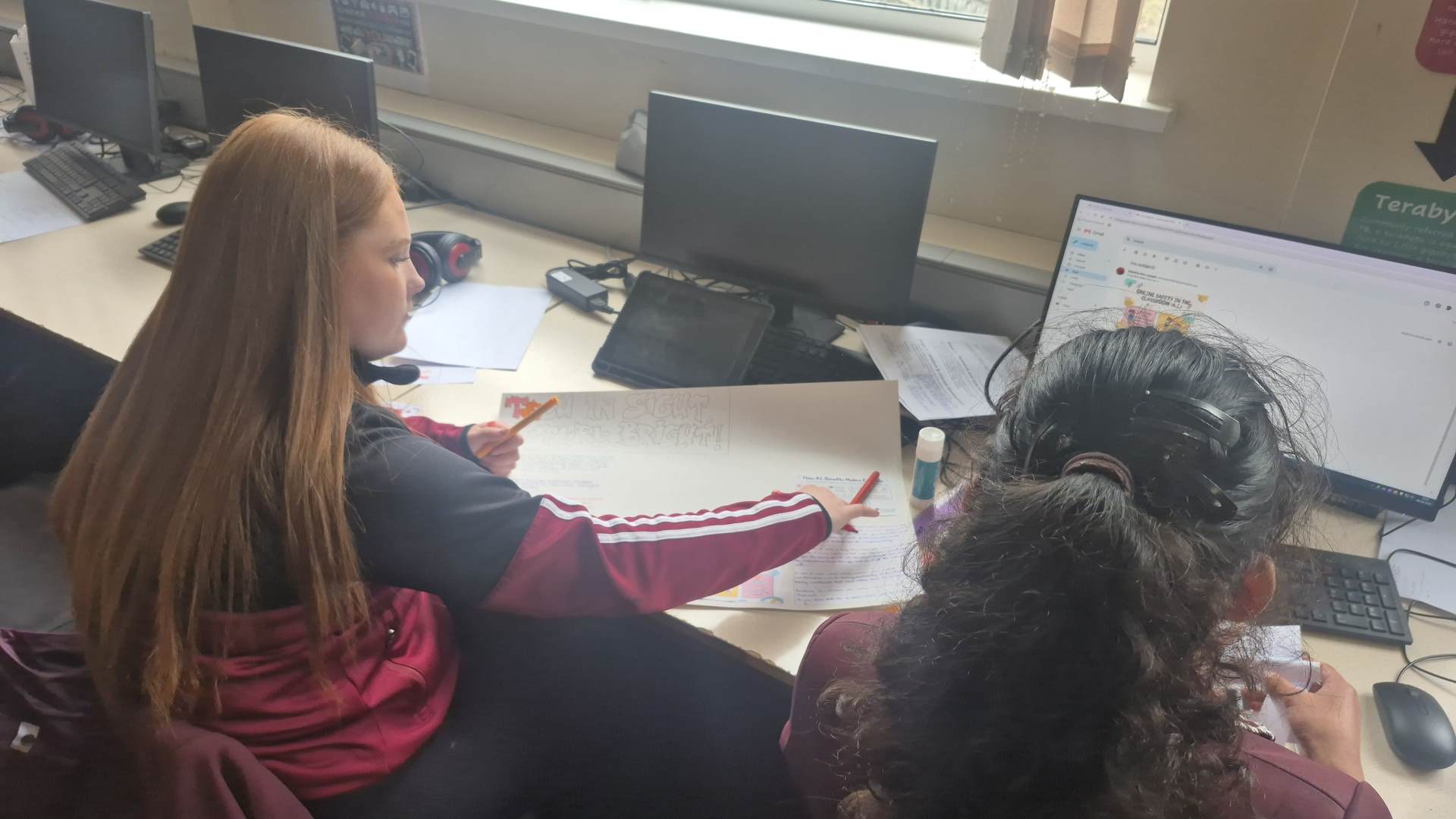
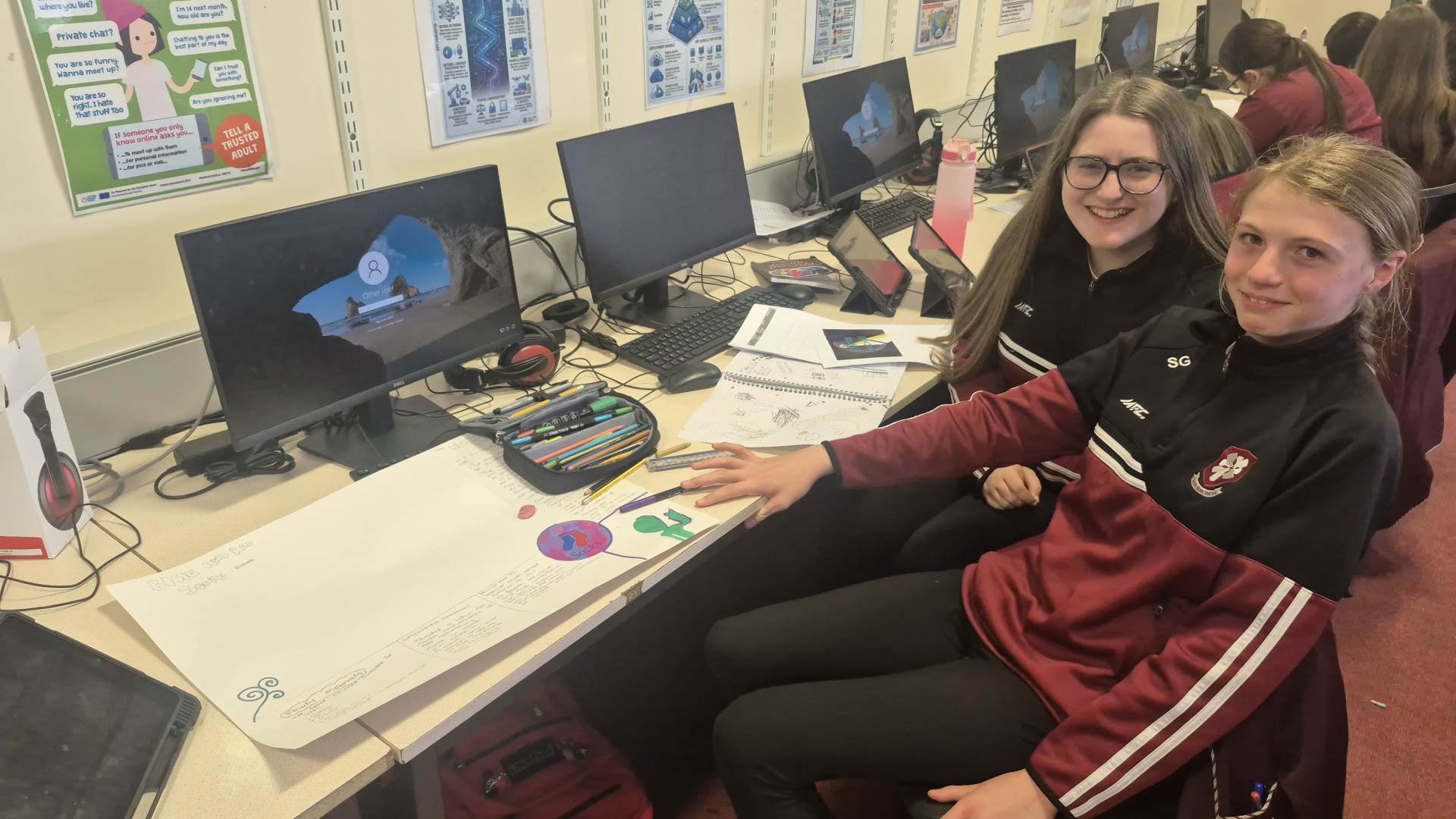
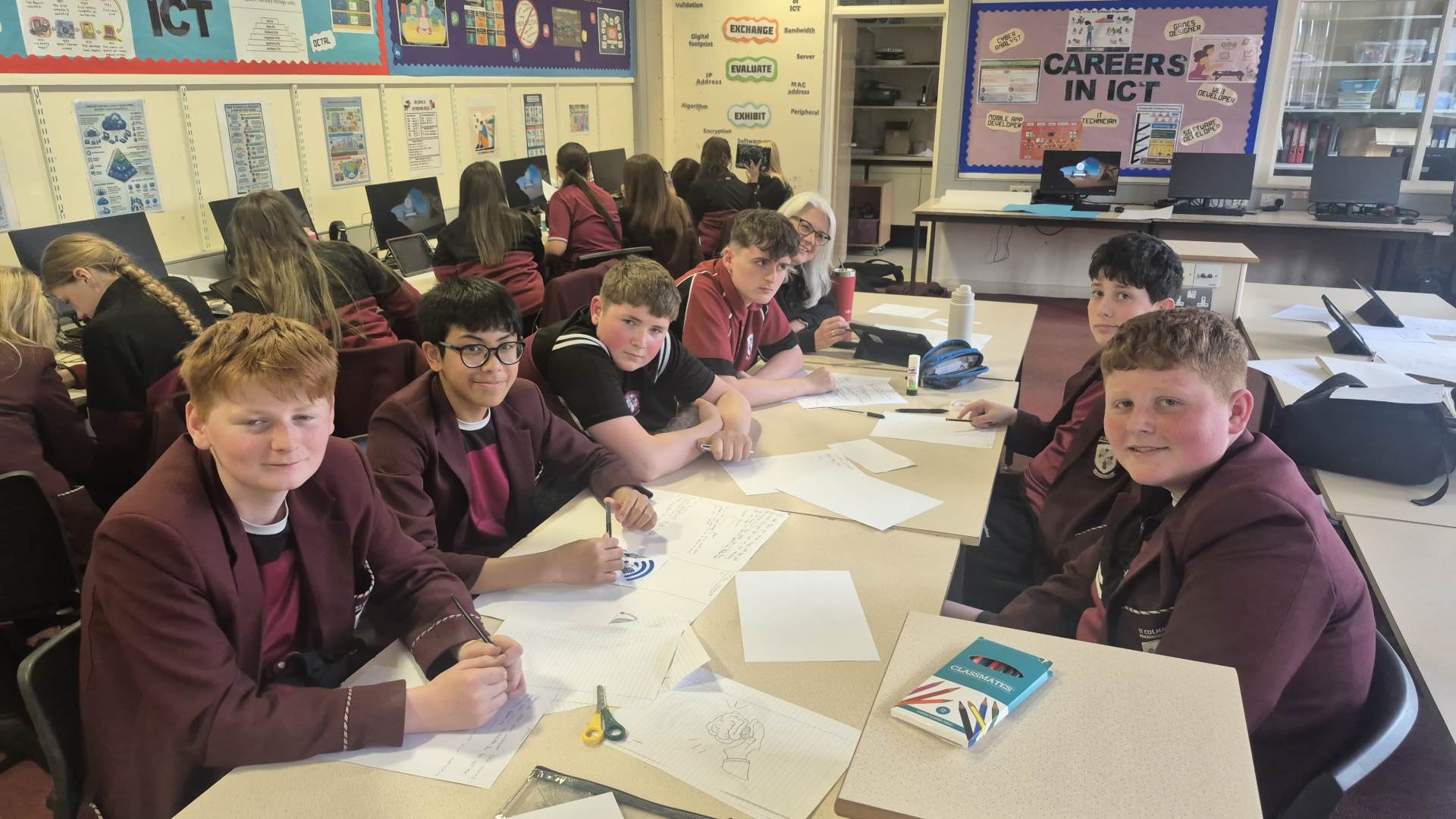
At all levels we provide opportunities for students to learn more about future employment opportunities in the IT sector and this is supported by workshops and guest speakers from organisations such as Enterprise NI, Sentinus and Hyperpixel studios and many more.
Cyber security conference


Key stage 3 provision
All pupils at St Colman's High and Sixth Form College study ICT for one hour per week throughout Key Stage 3. Pupils follow a broad and balanced programme of study that reflects the requirements of the Northern Ireland Curriculum, while developing the digital knowledge and practical skills needed for further study and everyday life.
Year 8
All pupils begin by developing an understanding of Digital Citizenship, learning how to stay safe, responsible and respectful when using digital technologies and the internet. Throughout the year pupils also develop practical skills in:
-
Digital Citizenship and Online Safety
-
Word Processing
-
Spreadsheets
-
Email and Digital Communication
-
Vector Graphics
-
Scratch Programming
Year 9
Year 9 pupils continue to build on their digital skills through increasingly challenging practical tasks, including:
-
Advanced Word Processing
-
Spreadsheets and Data Handling
-
Email and Communication
-
Vector Graphics
-
Scratch Programming
-
Mobile App Development
Year 10
Year 10 provides pupils with an introduction to more advanced computing concepts and prepares those considering further study in Digital Technology or Software Systems Development. Pupils will study:
-
Computing Theory
-
Website Development
-
Python Programming (Term 3)
Throughout Key Stage 3, pupils are encouraged to develop their creativity, problem-solving, logical thinking and computational thinking skills through engaging, practical activities using a range of industry-standard software and digital technologies. Emphasis is placed on independent learning, collaboration and the responsible use of technology, helping pupils become confident, capable and safe digital citizens.
/i/video/39-20230203-144403-7594.mp4
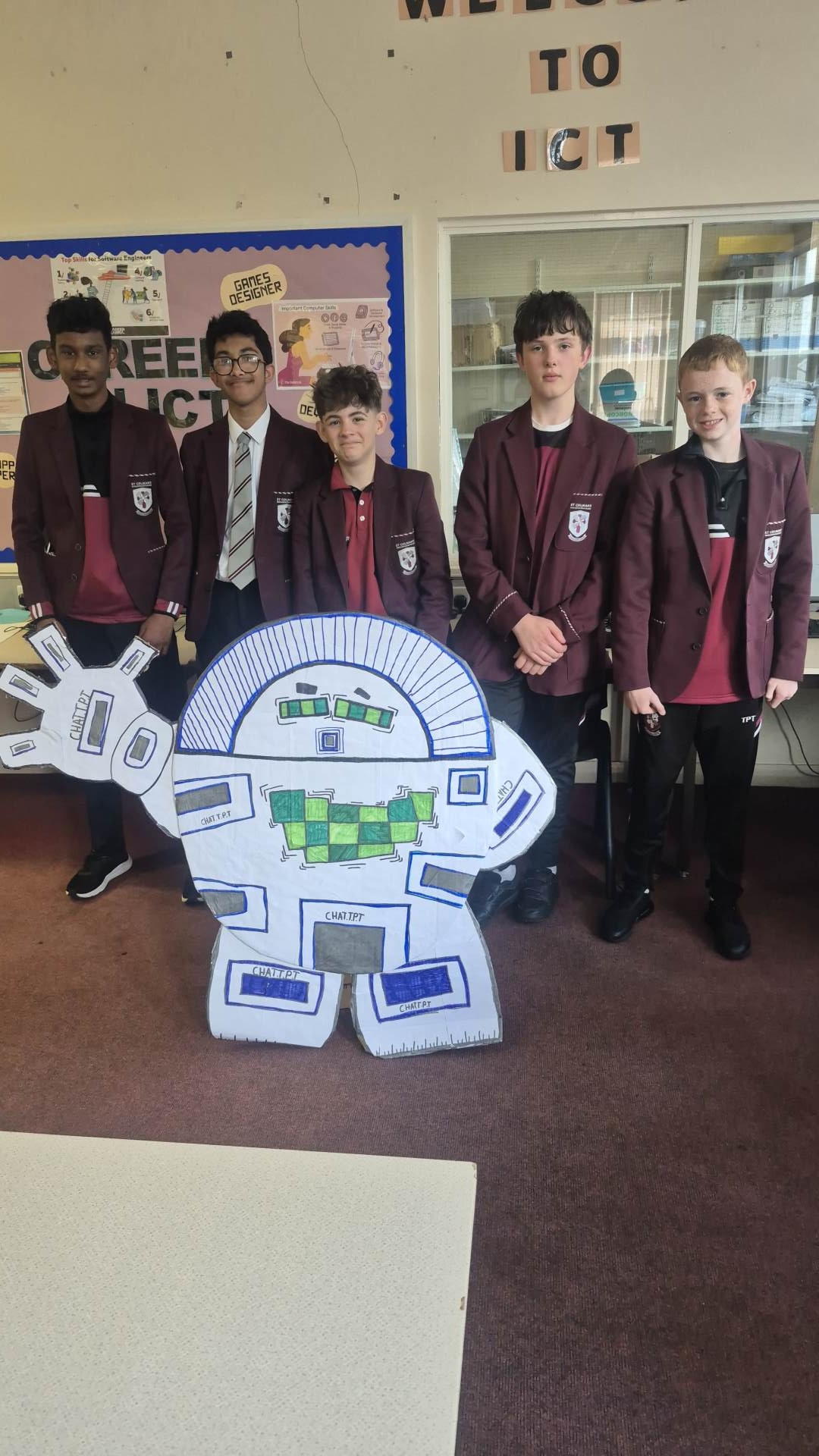
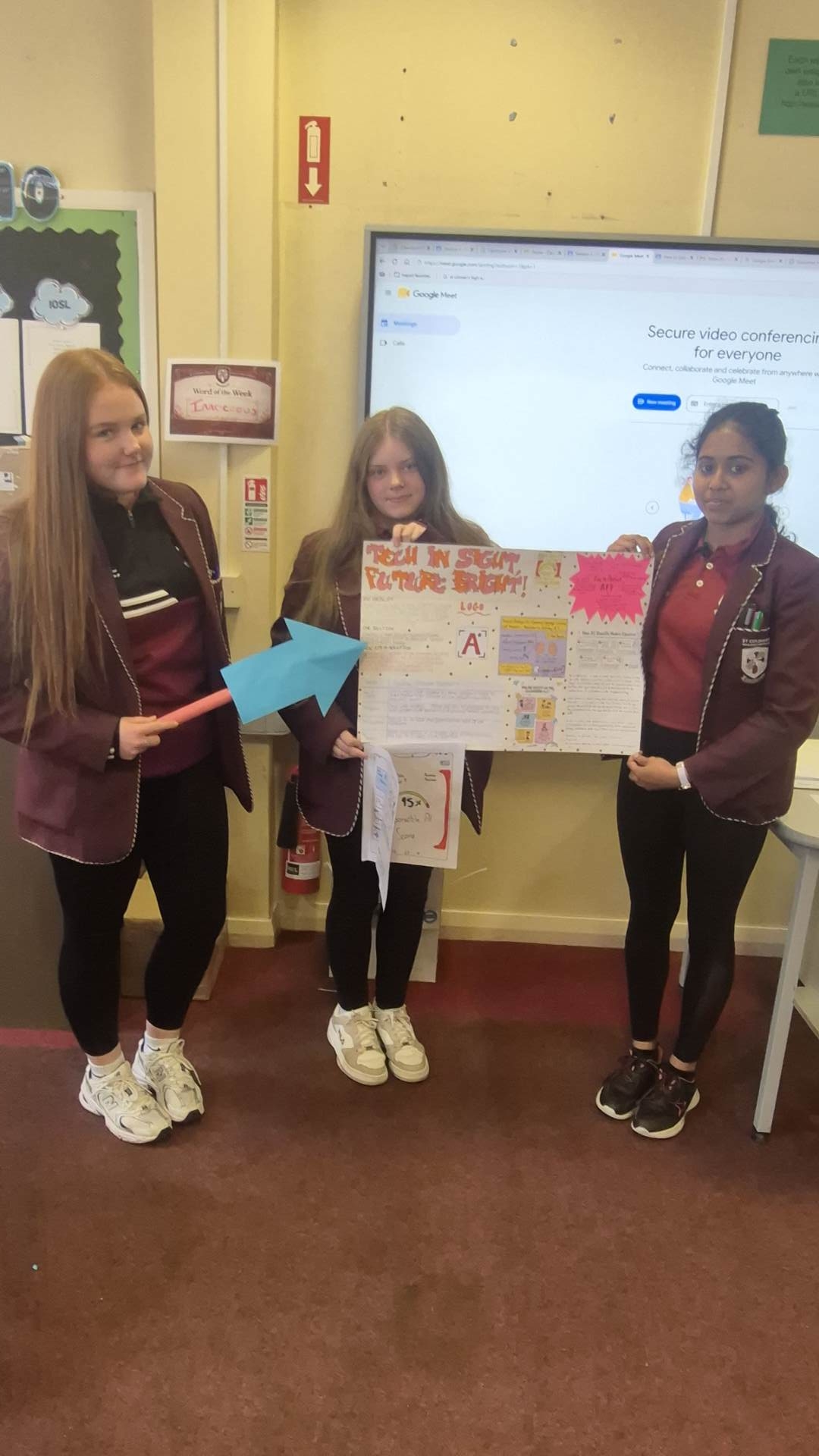
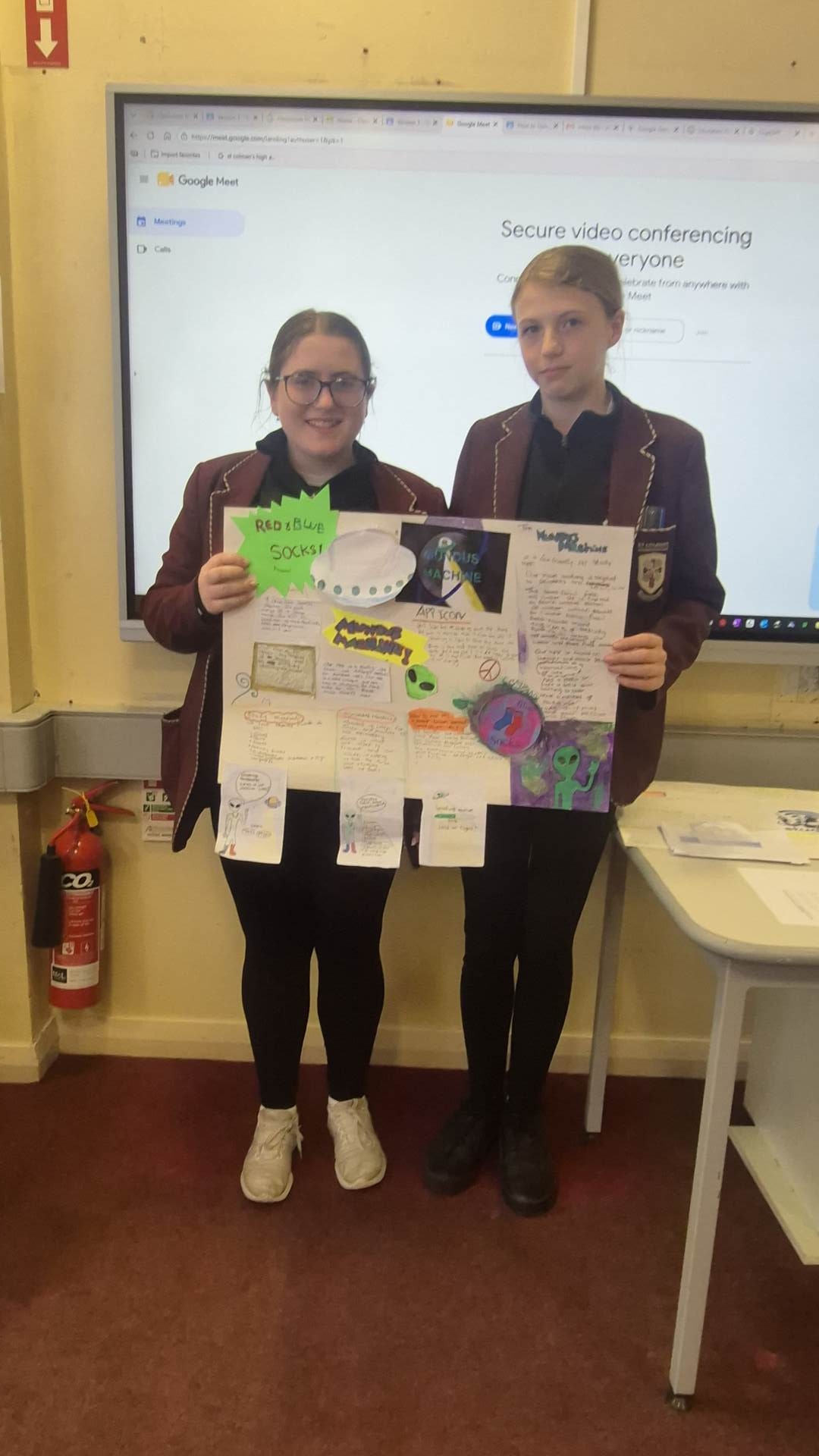
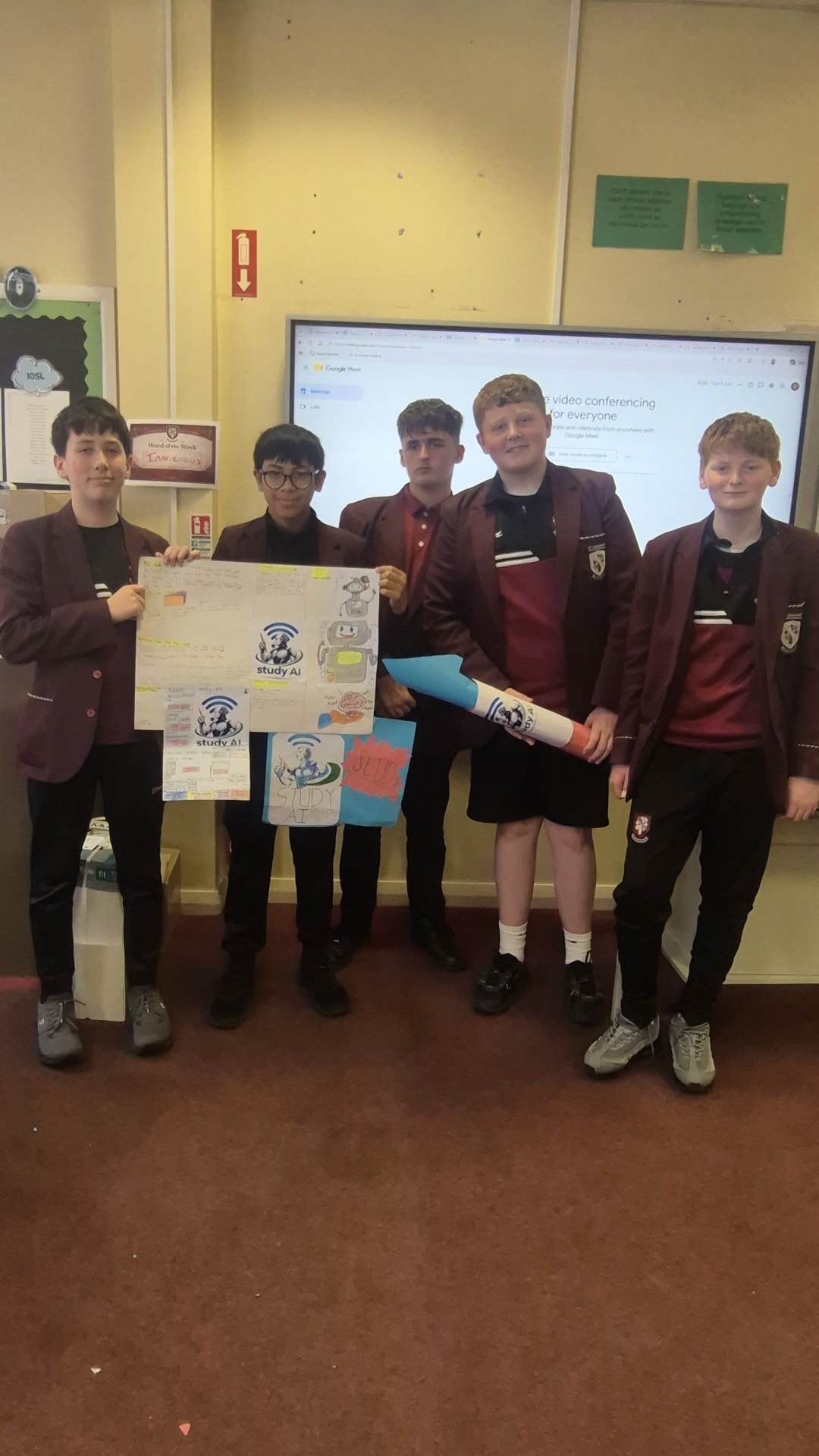
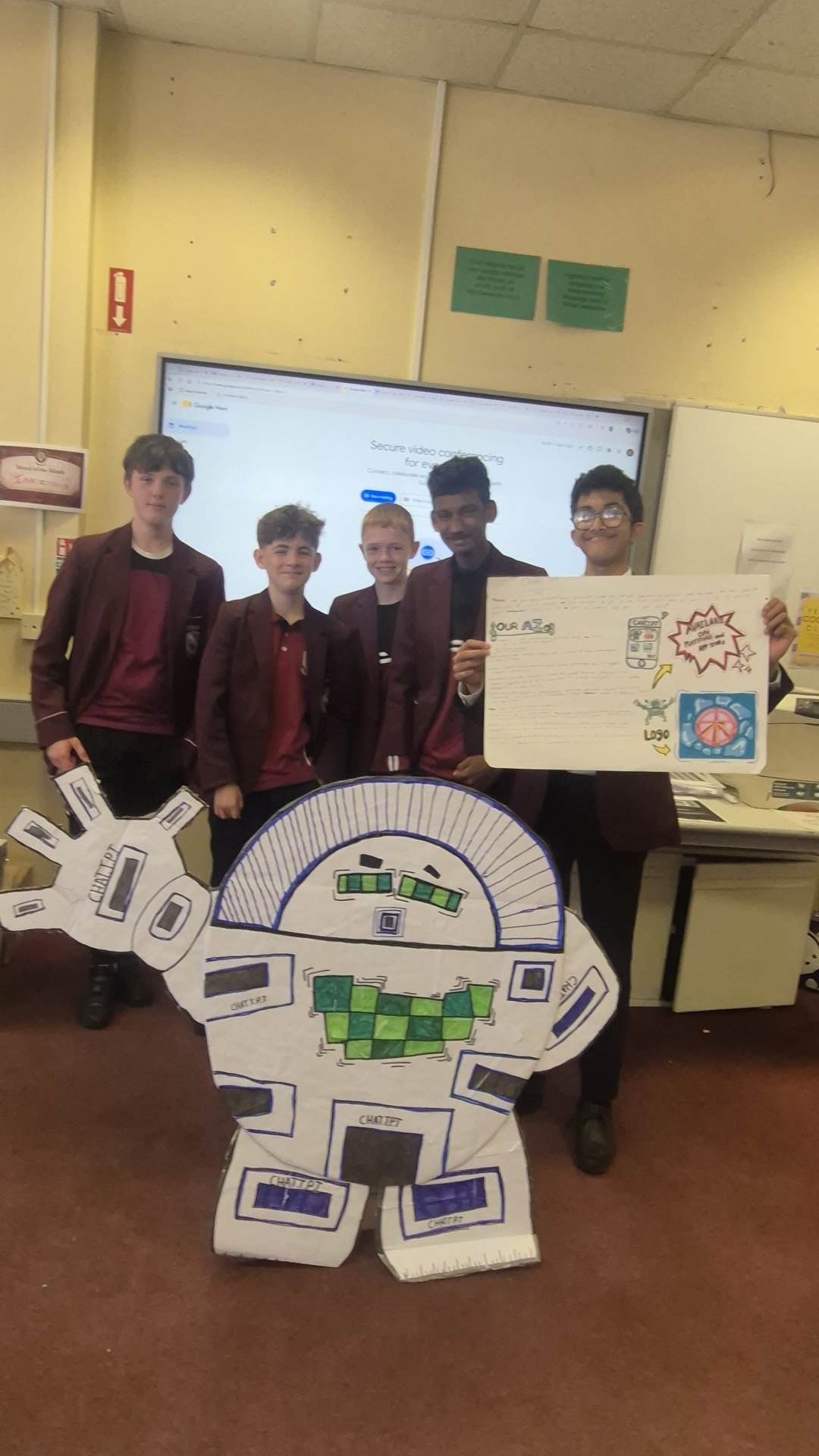
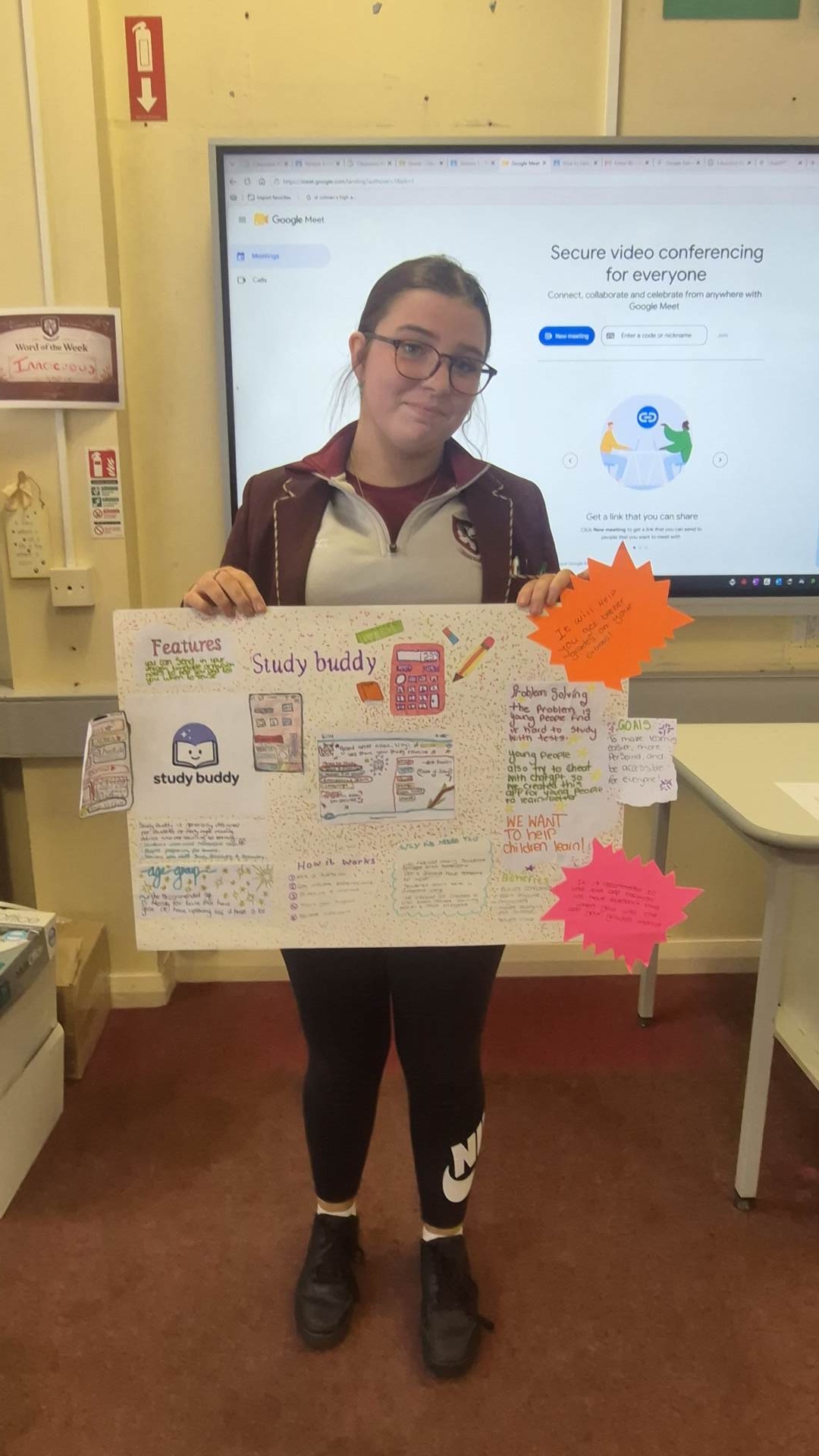
Virtual work experience 2026
Key stage 4 provision
OCN - Level 2 Certificate for IT Users
This qualification is delivered over two years. On successful completion of this qualification, the award is equivalent to a Grade B at GCSE.
The pupils will cover the following units:
|
Unit name |
Contribution to final grade |
Assessment method |
|
Word processing |
20% |
Coursework |
|
Spreadsheet software |
20% |
Coursework |
|
Email Software skills |
20% |
Coursework |
|
Presentation software |
20% |
Coursework |
|
Social media |
20% |
Coursework |
This qualification is continually assessed via coursework and there is no formal examination. Assessment will be through completion of work on Google classroom.
CCEA GCSE Digital Technology
We currently offer the CCEA Digital Technology - Multimedia route. This course is delivered over two years. Pupils acquire and apply knowledge and understanding of digital technology in a variety of contexts. They also develop creative and practical digital technology skills, either using a range of generic software or in an object-oriented environment. They explore the legal, social, economic, ethical and environmental impact of digital technology. This qualification also helps them to develop transferable skills such as creative problem-solving and teamwork.
This qualification builds on the knowledge, understanding and skills developed through the Cross-Curricular Skill of Using ICT.
This specification is unitised, therefore Unit 1: Digital Technology is assessed at the end of Year 11. Unit 2: Digital Authoring Concepts and Unit 3: Digital Authoring Practice are assessed throughout and at the end of Year 12.
We deliver the following three units:
|
Unit name |
Contribution to final grade |
Assessment method |
|
Unit 1: Digital Technology |
30% |
1 hour written examination |
|
Unit 2: Digital Authoring Concepts |
40% |
1 hour 30 minute written examination |
|
Unit 3: Digital Authoring Practice |
30% |
Coursework |
This qualification equips pupils with the knowledge and skills to progress to study IT at Post 16 level.
Documents
OCN Level 2 certificate in IT - specification
CCEA Digital technology - specification
BTEC Level 3 extended certificate in IT - specification
OCN NI Level 2 Certificate in Creative Arts and Digital Technologies - specification